Dry mouth: causes, risks and what actually helps
A dry mouth is easy to brush off. You wake up thirsty, your tongue feels sticky, and a glass of water sorts it out. For many people that is where it ends.
For others, dry mouth never really goes away. It makes eating, speaking and sleeping uncomfortable. It also quietly raises your risk of tooth decay, gum problems and infections. This guide explains what causes dry mouth, why it matters for your teeth, and what you can do about it.
What dry mouth actually is
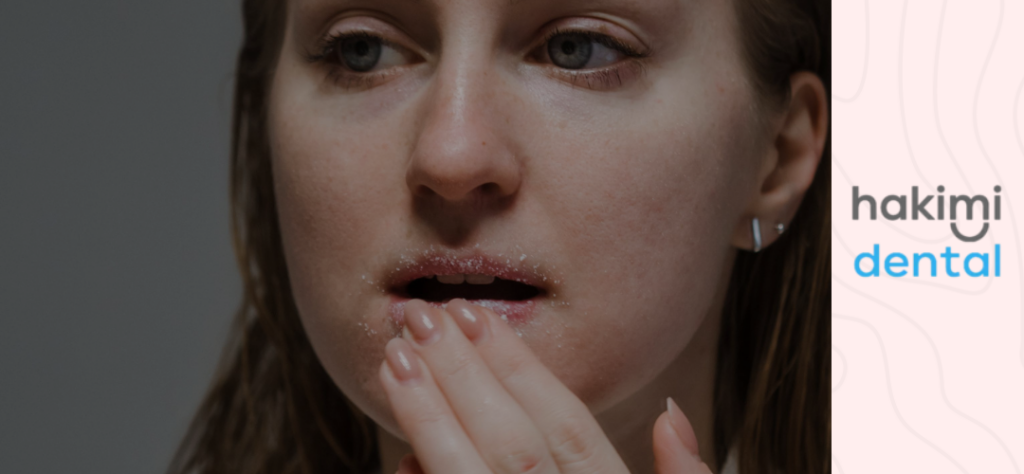
Dry mouth, known medically as xerostomia, happens when your mouth does not make enough saliva. It is a symptom rather than a disease in itself. Something is reducing your saliva flow, and finding out what is the key to fixing it.
Saliva does far more than keep your mouth wet. It washes away food and bacteria. It neutralises the acids that attack your enamel. It carries minerals that help repair early damage to teeth. And it helps you chew, swallow, taste and speak. When saliva drops, all of that protection drops with it.
Signs of dry mouth
Dry mouth does not always feel like thirst. Look out for:
- A sticky, dry or rough feeling in the mouth
- A dry or sore throat
- Cracked lips or sore corners of the mouth
- A tongue that feels dry, red or rough
- Difficulty chewing, swallowing or speaking
- Food tasting different, or losing some of its flavour
- Bad breath that does not improve with brushing
- Needing to sip water to swallow dry food
- Dentures that feel loose or uncomfortable
- Waking at night with a dry mouth
Having one or two of these now and then is common. If several appear together, or they last for weeks, it is worth getting checked.
Why dry mouth matters for your teeth
This is the part many people do not realise. A dry mouth is not only uncomfortable. It changes the conditions inside your mouth.
More tooth decay. Without enough saliva, acid stays on your teeth for longer and enamel is not repaired as well. Decay can appear in places that are normally safe, such as the necks of the teeth near the gum and exposed root surfaces.
More gum problems. Plaque builds up faster in a dry mouth. That makes gum inflammation and gum disease more likely.
More infections. Saliva helps keep yeast in check. Oral thrush, a fungal infection that causes sore, red patches or a white coating, is more common when the mouth is dry.
Bad breath. Saliva clears away the bacteria that produce smelly compounds. Less saliva means more odour, particularly in the morning.
Trouble with dentures. Saliva helps dentures stay in place and feel comfortable. A dry mouth can make them rub and slip.
Common causes of dry mouth
There are many possible causes, and often more than one is involved.
|
Cause |
Why it dries the mouth |
|---|---|
|
Medicines |
Hundreds of common medicines reduce saliva, including some antihistamines, blood pressure tablets, antidepressants and painkillers |
|
Dehydration |
Not drinking enough fluid, or losing it through heat, illness or exercise |
|
Mouth breathing |
Snoring, a blocked nose or breathing through the mouth at night dries the tissues |
|
Alcohol, tobacco and vaping |
These irritate the mouth and reduce saliva flow |
|
Medical conditions |
Including diabetes, and autoimmune conditions such as Sjogren’s syndrome |
|
Cancer treatment |
Radiotherapy to the head and neck, and some chemotherapy, can damage the salivary glands |
|
Stress and anxiety |
Can reduce saliva temporarily, and often make dry mouth feel worse |
|
Getting older |
Mostly because older people take more medicines and are more likely to have other conditions |
The NHS Trust leaflet on dry mouth and its common causes lists many of these, and notes that medicines are among the most frequent culprits. If you think a medicine is causing yours, speak to your GP or pharmacist. Do not stop taking a prescribed medicine without advice. They may be able to change the dose or offer an alternative.
Dry mouth at night
Many people notice dry mouth mostly when they wake up. This is partly normal. Saliva flow naturally slows during sleep, which is one reason toothache can feel worse after dark. We cover that in our guide on why toothache gets worse at night.
But if you wake up with a very dry mouth most mornings, look at the likely triggers:
- Sleeping with your mouth open, often because of a blocked nose or snoring
- Alcohol in the evening
- A dry bedroom, particularly with the heating on
- Medicines taken late in the day
A glass of water by the bed, a humidifier in the bedroom and treating nasal congestion can all help. If you snore heavily or wake up gasping, mention it to your GP, as it can be linked to sleep apnoea.
What actually helps
There is no single cure for dry mouth, because the cause varies. But several measures reliably ease it and protect your teeth.
Sip water often. Keep a bottle with you and take small sips through the day. Water does not replace saliva, but it keeps the mouth comfortable and helps wash away food.
Stimulate saliva. Sugar-free chewing gum or sugar-free lozenges encourage your glands to produce more saliva. Look for products that contain xylitol and no sugar.
Try a saliva substitute. Sprays, gels and lozenges are available from pharmacies. They moisten the mouth for a while and are particularly helpful at night. What suits one person may not suit another, so you may need to try a couple.
Cut back on what dries you out. Reduce alcohol, caffeine and tobacco where you can. Our guide on whether a dentist can tell if you smoke explains how smoking and vaping affect saliva and gum health.
Use the right mouthwash. Many mouthwashes contain alcohol, which dries the mouth further. Choose an alcohol-free, fluoride mouthwash instead.
Protect your teeth with fluoride. This is where your dentist can help most. For people with dry mouth, we may recommend a higher-strength fluoride toothpaste, or apply fluoride varnish to strengthen the enamel.
Be careful with sugar and acid. Frequent sugary or acidic drinks are especially damaging in a dry mouth. Keep them to mealtimes and drink water between.
Keep your lips moist. A simple lip balm helps with cracking and soreness.
How we can help
Dry mouth is something we see often, and there is usually more we can do than patients expect.
At a dental check-up, we look for early signs of decay and gum disease, and check for thrush. We ask about your medicines and any other symptoms, and we talk through the products that might suit you. Dry mouth raises your risk of dental problems, so we may suggest more frequent visits than the usual six months.
A visit to the dental hygienist is also valuable. Plaque builds up faster when saliva is low, and a professional clean removes what brushing misses. Your hygienist can also show you how to brush and clean between your teeth most effectively, and apply fluoride where it is needed.
Check-ups at Hakimi Dental Clinic start from just £35.
When it needs a dentist urgently
Dry mouth raises the risk of dental infection. Seek help the same day if you have toothache that does not ease, swelling in your face or gums, or a bad taste that suggests an infection. We offer emergency dental appointments from just £25.
Disclaimer
The information in this article is intended for general educational guidance only and does not constitute personalised dental advice. For concerns about bite development or the dental effects of a finger-sucking habit, please book an appointment with a qualified dental professional.
Hakimi Dental Clinic is a dental practice at 51a New Birmingham Road, Oldbury, B69 2JF. We offer dental check-ups from £35, Invisalign orthodontic treatment, general dentistry, dental hygiene appointments, emergency dental appointments from £25, dental implants, composite bonding, porcelain veneers, teeth whitening, dental crowns and smile makeovers.
Medically reviewed by Dr Ridwan Khan, Associate Dentist at Hakimi Dental Clinic
FAQs
Medicines are one of the most common causes. Hundreds of prescription and over-the-counter products reduce saliva as a side effect. Dehydration, mouth breathing, alcohol, smoking and some medical conditions are other frequent causes.
Yes. Saliva protects your teeth by washing away food and neutralising acid. With less of it, you are at higher risk of tooth decay, gum disease and oral thrush. Good hygiene, fluoride and regular check-ups help protect you.
Saliva flow naturally drops during sleep. Mouth breathing, snoring, alcohol, a dry bedroom and some medicines can make it worse. Water by the bed, a humidifier and treating a blocked nose often help.
It depends on the cause. Sipping water, sugar-free gum or lozenges, and saliva substitutes ease the symptoms. Fluoride toothpaste and regular dental care protect your teeth. If a medicine is the cause, ask your GP or pharmacist about alternatives.
If it is caused by dehydration, a short-term illness or a medicine you can change, it often improves once that is sorted. Some causes, such as certain medical conditions or radiotherapy, may be long term. In those cases, the aim is to manage symptoms and protect your teeth.
If grinding is affecting your sleep, your jaw, or your teeth, get in touch and we’ll take a proper look and talk you through the options.