
How to stop grinding teeth at night: a dentist's guide
Waking up with a sore jaw or a dull headache is easy to ignore once or twice. But if it keeps happening, and your partner mentions you grind your teeth in your sleep, there’s usually a real cause behind it. This guide explains why it happens and what damage it can do. It also covers how to stop grinding teeth at night for good.
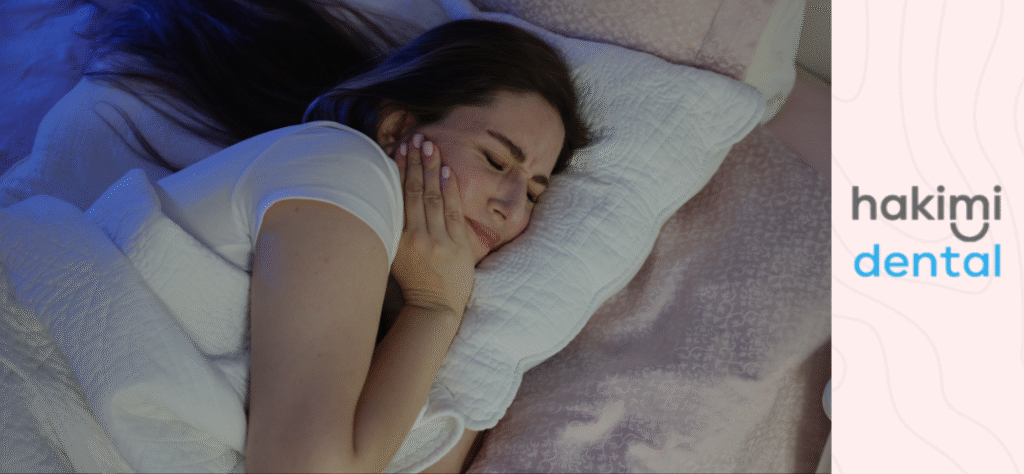
What is teeth grinding?
Teeth grinding, known clinically as bruxism, is when you clench or grind your teeth without meaning to. It often happens during sleep. That’s why most people don’t realise they’re doing it until someone else notices, or until a dentist spots the wear.
Some people also grind during the day, usually when concentrating hard or feeling stressed. Night-time grinding tends to be more forceful, simply because you’re not consciously controlling it.
Dentists see the effects of grinding fairly often. The wear pattern on the biting surfaces is usually distinctive, which is why a check-up can pick it up even before you’ve noticed any symptoms yourself.
Why do people grind their teeth?
There isn’t one single cause. A few things tend to come up again and again when we talk to patients about it.
Stress and anxiety. This is the most common trigger we see. Grinding often increases during busy or stressful periods, and it eases off once things calm down.
Sleep disorders. Conditions like sleep apnoea are closely linked to teeth grinding at night. If you snore heavily or wake up gasping, it’s worth mentioning to your GP as well as your dentist.
Bite alignment. A bite that doesn’t sit quite right can trigger grinding, since the jaw tries to find a more comfortable position.
Lifestyle factors. Caffeine, alcohol, and smoking are all associated with a higher likelihood of grinding, particularly in the hours before bed.
Certain medications. Some antidepressants list bruxism as a side effect. If you’ve started a new medication and noticed grinding, mention it to your prescriber.
The damage grinding can cause
Teeth grinding doesn’t just wear down enamel. Left unmanaged, it causes a fairly predictable chain of problems.
Worn, flattened teeth are usually the first visible sign. Enamel doesn’t grow back once it’s gone. So this damage builds up permanently over time. Cracked or chipped teeth often follow, since grinding puts far more force through a tooth than normal biting does.
Jaw pain and clicking are common too. This is often worse first thing in the morning. Many patients also get headaches around the temples, without connecting them to their teeth at all.
Loose fillings or crowns can result as well, since grinding puts repeated stress on any existing dental work. In more serious, longstanding cases, the jaw joint itself, the TMJ, becomes affected. This can lead to ongoing discomfort when chewing or opening the mouth widely.
If you’re already dealing with a cracked or damaged tooth from grinding, treat it as a priority rather than something to leave. Find out more about how quickly we can see you on our emergency dentist page.
How to stop grinding teeth at night
There’s no single fix that works for everyone. A combination of these approaches covers most cases.
Wear a night guard. A custom-fitted night guard is the most effective way to protect your teeth while you sleep. It creates a barrier between your upper and lower teeth, so even if the grinding continues, the damage stops. Shop-bought versions exist, but they rarely fit as well as one made specifically for your mouth. A poor fit can make jaw discomfort worse rather than better.
Manage stress where you can. Stress is one of the most common triggers, so anything that genuinely reduces it helps. Exercise, better sleep habits, and less screen time before bed all tend to ease grinding alongside it.
Cut back on evening caffeine and alcohol. Both are linked to more frequent grinding overnight. Swapping an evening coffee for something else, even just for a trial period, is worth testing.
Be mindful during the day. If you catch yourself clenching while working or driving, try to consciously relax your jaw. Some people find it helps to rest the tongue gently behind the front teeth. This makes clenching harder to do without noticing.
Get your bite checked. If grinding is linked to how your teeth meet, adjusting the bite can genuinely reduce the trigger. That treats the cause, not just the symptoms.
When to see a dentist about grinding
Occasional grinding during a stressful week usually isn’t something to worry about. But it’s worth booking in if you notice:
- Teeth that look shorter or flatter than they used to
- Regular morning headaches or a sore jaw
- Sensitivity that’s got worse over recent months
- A partner telling you they can hear grinding at night
- Any chip, crack, or loose filling appearing without an obvious cause
A regular dental check-up is genuinely one of the best ways to catch grinding early. The wear pattern on your teeth often shows up before you’re consciously aware there’s a problem. Check-ups start from just £35, so there’s little reason to put it off.
What we do about it at Hakimi Dental Clinic
When a patient comes to us concerned about grinding, we start by looking at the wear pattern on the teeth. We also ask about symptoms like jaw pain, headaches, or sensitivity. That tells us how significant the grinding is and whether it’s already causing damage.
From there, a custom night guard is usually the first step. It’s fitted precisely to your teeth, so it’s comfortable enough to actually wear every night. If a hygiene visit would help too, particularly where grinding has affected the gum line or existing dental work, you can read more about that on our dental hygiene page.
We’ll also talk through any lifestyle factors that might be contributing. A night guard protects your teeth, but it doesn’t address why the grinding is happening in the first place. Getting both right gives the best long-term result.
Why acting early matters
Bruxism is one of those conditions that’s easy to dismiss because it doesn’t hurt in the moment. But the wear it causes is cumulative and permanent. A tooth ground down over several years can end up needing a crown or more extensive work. A night guard early on would have prevented most of it.
If you recognise any of the signs above, get it looked at rather than waiting for a cracked tooth or a persistent headache to force the issue. Find out more about the full range of care we offer at Hakimi Dental Clinic, or book directly for a check-up.
Disclaimer
The information in this article is intended for general educational guidance only and does not constitute personalised dental advice. For concerns about bite development or the dental effects of a finger-sucking habit, please book an appointment with a qualified dental professional.
Hakimi Dental Clinic is a dental practice at 51a New Birmingham Road, Oldbury, B69 2JF. We offer dental check-ups from £35, Invisalign orthodontic treatment, general dentistry, dental hygiene appointments, emergency dental appointments from £25, dental implants, composite bonding, porcelain veneers, teeth whitening, dental crowns and smile makeovers.
Medically reviewed by Dr Ridwan Khan, Associate Dentist at Hakimi Dental Clinic
FAQs
Common signs include waking up with a sore jaw or headache, teeth that look flatter or shorter than before, and increased tooth sensitivity. Often, it’s a partner who first notices the sound of grinding during sleep.
A custom-fitted night guard is the most reliable protection, since it stops the physical damage even if the grinding itself continues. Alongside that, managing stress and cutting back on evening caffeine and alcohol both help reduce how often it happens.
Yes. Enamel doesn’t regenerate once it’s worn away, so grinding causes permanent, cumulative damage if it isn’t managed. Left untreated for years, it often leads to cracked teeth, loose fillings, or the need for crowns.
Stress is one of the most common triggers we see. Many patients notice their grinding gets worse during busy periods and eases off once things settle down. Sleep disorders and bite alignment can play a role too.
Yes, it’s fairly common in children, particularly during teething or as baby teeth make way for adult ones. It often resolves on its own, but it’s still worth mentioning at a check-up so we can keep an eye on it.
If grinding is affecting your sleep, your jaw, or your teeth, get in touch and we’ll take a proper look and talk you through the options.