
Pericoronitis treatment: what it involves and when to seek help
Pain at the back of the mouth can be worrying, especially when it comes on suddenly or makes eating difficult. One common cause is pericoronitis, a condition linked to partially erupted wisdom teeth. Patients often search for pericoronitis treatment when discomfort, swelling or infection develops around these teeth.
At Hakimi Dental Clinic, we regularly see patients with pericoronitis, ranging from mild irritation to severe infection that needs urgent care. The good news is that with the right treatment and timely attention, pericoronitis can usually be managed effectively.
This guide explains what pericoronitis is, why it happens, the most effective pericoronitis treatment options, and when you should seek urgent dental care.
What is pericoronitis?
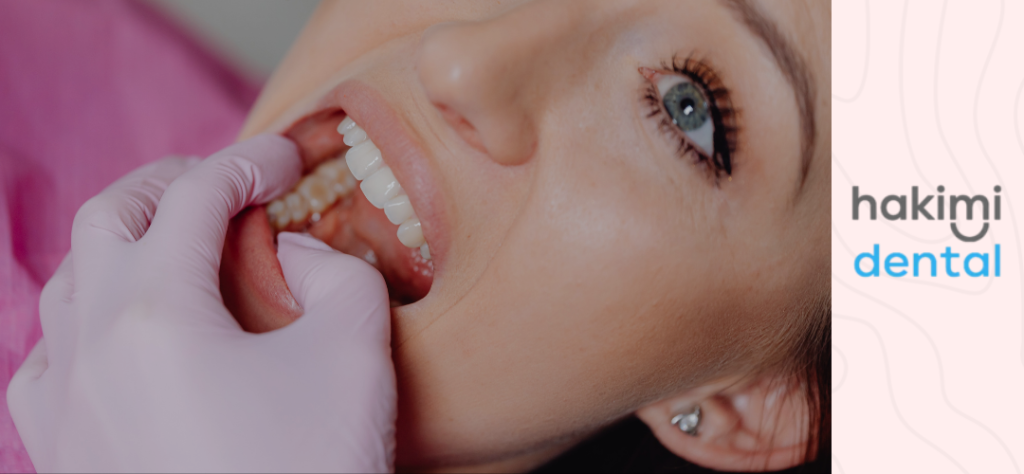
Pericoronitis is inflammation and infection of the gum tissue surrounding a partially erupted tooth, most commonly a wisdom tooth. It occurs when the tooth has not fully emerged and a flap of gum remains over part of the tooth.
Food particles and bacteria can become trapped under this gum flap, creating the perfect environment for infection. Because the area is difficult to clean, the problem can worsen quickly if not treated.
Understanding this process helps explain why early pericoronitis treatment is so important.
Why does pericoronitis develop?
Pericoronitis is most often associated with lower wisdom teeth, but it can occasionally affect other partially erupted teeth.
Common contributing factors include:
- partially erupted wisdom teeth
- difficulty cleaning the area properly
- trapped food debris
- weakened immune response
- stress or illness
- poor oral hygiene
Regular monitoring during dental check-ups in Oldbury helps identify wisdom teeth that may be at risk before symptoms start.
Common symptoms of pericoronitis
Symptoms can vary from mild to severe. Patients often experience:
- pain at the back of the mouth
- swollen or red gums
- bad taste or unpleasant smell
- difficulty opening the mouth
- pain when chewing
- swelling of the cheek or jaw
- fever or feeling unwell in severe cases
If symptoms escalate quickly, urgent pericoronitis treatment may be needed to prevent the infection from spreading.
Why pericoronitis should not be ignored
Pericoronitis is not just a minor irritation. If left untreated, infection can spread beyond the gum and affect surrounding tissues.
Possible complications include:
- worsening infection
- abscess formation
- facial swelling
- difficulty swallowing
- systemic illness
This is why prompt assessment by a dentist is essential, particularly if pain or swelling increases. If symptoms are severe, contact our emergency dentist in Oldbury without delay.
Pericoronitis treatment: what are the options?
The right pericoronitis treatment depends on how severe the condition is and whether it is a first episode or a recurring problem.
1. Professional cleaning and local treatment
For mild cases, treatment may involve:
- gently cleaning under the gum flap
- flushing the area to remove debris
- reducing inflammation
- advice on home care
This type of treatment often provides rapid relief when the condition is caught early.
Regular visits with a dental hygienist in Oldbury can help keep these difficult areas clean and reduce the risk of recurrence.
2. Medication (when appropriate)
If infection is present, medication may be prescribed alongside local treatment.
This may include:
- pain relief
- anti-inflammatory medication
- antibiotics (only when clinically necessary)
Antibiotics alone are not a complete pericoronitis treatment. They support healing but do not address the underlying cause, which is why dental treatment is always required.
3. Improved oral hygiene and monitoring
Some cases settle once inflammation is controlled and the patient is able to keep the area clean at home.
Your dentist may recommend:
- careful brushing techniques
- use of a small-headed toothbrush
- antibacterial mouth rinses
- regular reviews
This approach is often suitable for early or occasional episodes.
4. Wisdom tooth removal
If pericoronitis keeps coming back, removing the wisdom tooth may be the most effective long-term solution.
Extraction may be recommended when:
- infections recur
- the tooth cannot fully erupt
- cleaning is consistently difficult
- neighbouring teeth are at risk
Your dentist will discuss whether extraction is appropriate and explain the process clearly before any decision is made.
Emergency pericoronitis treatment: when to act fast
Some cases require urgent care. You should seek immediate dental attention if you experience:
- rapidly increasing swelling
- difficulty opening your mouth
- difficulty swallowing
- fever
- facial swelling
- severe pain not controlled by medication
These symptoms may indicate a spreading infection. Our emergency dentist service in Oldbury is available to assess and treat urgent cases safely.
How long does pericoronitis take to settle?
With appropriate pericoronitis treatment, symptoms often improve within a few days. Pain and swelling usually reduce first, followed by gradual healing of the gum tissue.
However, if the underlying cause remains, symptoms may return. This is why follow-up care and long-term planning are important.
Preventing pericoronitis in the future
Prevention focuses on reducing bacteria and keeping vulnerable areas clean.
Key preventive steps include:
- excellent daily oral hygiene
- careful cleaning around wisdom teeth
- regular professional hygiene appointments
- routine dental check-ups
Patients who attend regular dental check-ups at Hakimi Dental Clinic are far less likely to experience severe pericoronitis.
The role of the dental hygienist in prevention
A dental hygienist plays a vital role in preventing pericoronitis by:
- removing plaque and tartar
- cleaning difficult-to-reach areas
- advising on tailored cleaning techniques
- monitoring gum health
Seeing a dental hygienist in Oldbury regularly can make a significant difference, especially for patients with partially erupted wisdom teeth.
Pericoronitis and overall health
Oral infections can affect general health, particularly if they spread. Addressing pericoronitis early supports not just dental comfort but wider wellbeing.
This holistic approach is part of how we care for patients at Hakimi Dental Clinic.
Why patients trust Hakimi Dental Clinic
- Our clinicians manage pericoronitis cases regularly, from mild inflammation to complex infections.
- We use evidence-based protocols and careful assessment to choose the safest treatment.
- Our advice aligns with UK clinical guidelines and current dental standards.
- We explain options clearly and only recommend extraction when it is genuinely needed.
Final thoughts
Effective pericoronitis treatment depends on early assessment, professional care and ongoing prevention. While mild cases can be managed conservatively, recurring or severe infections should never be ignored.
At Hakimi Dental Clinic we focus on clear explanations, safe treatment and long-term solutions. Whether you need routine monitoring, hygiene support or urgent care from our emergency dentist in Oldbury, our team is here to help.
FAQs about periocoronitis
The best treatment depends on severity, but usually involves cleaning, inflammation control and sometimes medication.
Mild cases may settle, but professional assessment is important to prevent complications.
No. Antibiotics are only used when there are signs of significant infection.
In recurring cases, removal often prevents future episodes.
If you have swelling, fever, severe pain or difficulty opening your mouth.