
Black spot on tooth: a clear, expert guide from our dentist
Noticing a black spot on tooth can be worrying. For some people, it appears suddenly; for others, it develops slowly over time. In either case, seeing something dark on the surface of a tooth often raises the same questions: Is it decay? Will it spread? Does it need treatment?
At Hakimi Dental Clinic in Oldbury, we see patients every day who arrive unsure about marks, discolouration or patches on their teeth. The good news is that most causes are treatable, and many can be managed quickly — especially when spotted early. Our clinicians offer preventive, restorative and emergency care, including general dental check-ups, dental hygienist appointments, and dental fillings in Oldbury.
We also provide access to an emergency dentist in Oldbury for urgent cases.
This comprehensive guide will help you understand what a black spot may mean, the most common causes, how to treat the issue and how to prevent it happening again.
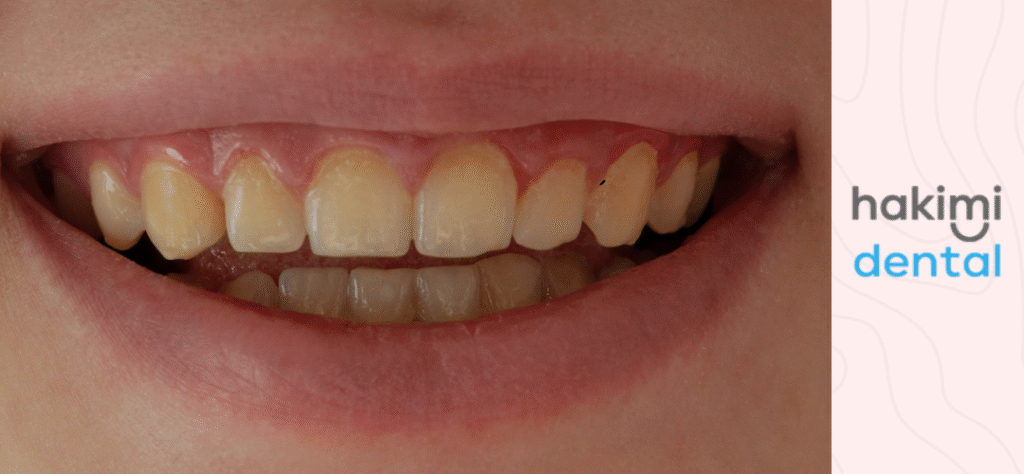
What does a black spot on tooth mean?
A black spot on tooth is not a diagnosis by itself. It is simply a sign that something has changed on the surface of the tooth. The cause may be minor and harmless — or may require treatment to prevent further damage.
A black spot can appear on:
- the front or back of a tooth
- the chewing surface
- around old fillings
- near the gumline
- between teeth
Because the causes differ widely, the safest approach is to have it assessed during a
regular dental check-up in Oldbury.
Early assessment prevents small problems becoming bigger ones.
Main causes of a black spot on tooth
Below are the most common reasons you might notice a black spot. Our dentists assess these conditions daily at Hakimi Dental Clinic, allowing us to identify them quickly and recommend appropriate treatment.
1. Tooth decay (the most common cause)
Tooth decay is by far the most frequent reason for a black spot on tooth. When plaque bacteria break down sugars in food, the acids produced can damage enamel. Early decay may look like a pale or brown patch; as it progresses, the area can turn black.
You may experience:
- sensitivity to hot, cold or sweet foods
- discomfort when biting
- a rough or sticky surface
- occasional toothache
If decay is suspected, treatment often involves removing the affected area and placing a filling. You can learn more here:
2. Staining or discolouration
Not all dark spots are decay. Some stains come from:
- tea, coffee and red wine
- smoking or vaping
- certain mouthwashes
- highly pigmented foods (like curries or berries)
- poor oral hygiene
Staining is superficial and can often be removed by a dental hygienist in Oldbury.
This is why regular hygiene appointments are so important — they keep teeth clean and allow early signs of decay to be detected before they turn into deeper problems.
3. Old fillings or metal fillings
Silver amalgam fillings can sometimes make the tooth around them look dark. This does not necessarily mean decay is present, but the dentist must check whether the filling is still intact.
If an old filling is leaking or failing, the tooth may need a replacement filling to prevent decay from spreading beneath it.
4. Tartar (calculus) build-up
When plaque hardens into tartar, it can appear yellow, brown or black depending on how old it is and where it sits.
Tartar cannot be removed at home. Only a professional cleaning with our dental hygienist in Oldbury will fully remove these deposits.
5. Trauma to the tooth
If a tooth receives impact, internal bleeding within the pulp can cause the tooth to darken. This may appear as a dark patch rather than the whole tooth turning grey.
Trauma often requires monitoring and may need further treatment, especially if symptoms develop.
If the tooth is painful or changes rapidly, contact our emergency dentist in Oldbury.
6. Developmental marks or enamel defects
Some people naturally have small grooves, pits or deeper fissures in their teeth. These can trap stains or bacteria, appearing as small black dots.
Even though these marks can be harmless, a dentist should check the area to ensure bacteria has not entered the enamel.
7. Gum recession
If the gums recede, root surfaces become exposed. Root surfaces do not have enamel and can pick up stains quickly, creating black or dark patches.
Recession often goes hand-in-hand with gum inflammation, so hygiene care is essential.
Is a black spot on tooth always decay?
No — but it often is. Because decay spreads silently, we advise patients not to wait for pain before seeking help.
If you are unsure, simply book a dental check-up in Oldbury for an assessment. Early detection is the safest and most cost-effective approach.
When a black spot on tooth is an emergency
You should contact an emergency dentist in Oldbury
if the black spot is accompanied by:
- severe pain
- swelling in the face or gums
- fever
- a bad taste or discharge
- sudden colour change
- difficulty eating
These may indicate an infection or deep decay that needs urgent treatment such as a filling, cleaning or possibly root canal therapy.
How we diagnose a black spot at Hakimi Dental Clinic
During your examination at Hakimi Dental Clinic, our dentist will:
- visually inspect the tooth
- check for softness or cavities
- take X-rays if needed
- assess gum health
- check bite and contact points
- discuss any symptoms you’ve noticed
This allows us to distinguish between staining, decay, tartar or other dental conditions.
Treatment options for a black spot on tooth
Treatment depends entirely on the cause. Here are the most common solutions our dentists provide.
1. Professional cleaning for stains or tartar
If the spot is simply superficial staining or hardened tartar, our dental hygienist in Oldbury can remove it safely using scaling and polishing techniques.
This often restores the tooth to its natural colour within one visit.
2. Dental fillings for decay
If decay is present, the most common treatment is removing the decayed area and placing a natural-coloured filling. Learn more here:
Modern composite fillings blend in beautifully and help maintain tooth structure.
3. Fissure sealing
If the black spot is in a deep groove, and decay has not yet developed, a sealant can be placed to protect the area from bacteria.
4. Root canal treatment
If decay has progressed into the nerve of the tooth, a filling alone won’t be enough. Root canal therapy removes infection before the tooth is restored.
This option is usually recommended when:
- the tooth is painful
- there is sensitivity that lingers
- X-rays show infection near the root
5. Replacement of old fillings
If an existing filling is cracked, leaking or stained, replacing it will prevent further decay.
6. Gum treatment
If the black spot is linked to gum disease or recession, hygiene therapy will be the first step, followed by ongoing maintenance through our dental hygienist services.
Can a black spot on tooth go away on its own?
If the cause is staining, it may lighten slightly with improved brushing but usually needs professional cleaning.
If the cause is decay, the spot will not go away on its own.
Decay spreads gradually and becomes more complex (and more expensive) to treat over time.
The earlier you visit Hakimi Dental Clinic, the simpler the treatment.
How to prevent a black spot on tooth
Prevention is straightforward and part of everyday oral care.
1. Maintain good daily brushing habits
Brush twice a day with fluoride toothpaste, paying extra attention to the gumline and chewing surfaces.
2. Clean between your teeth
Interdental cleaning is essential for preventing plaque buildup in places your toothbrush cannot reach.
3. Regular hygiene appointments
Professional hygiene sessions prevent tartar and keep stains under control.
Visit our Dental Hygienist Oldbury for routine cleaning.
4. Attend routine dental check-ups
Most issues are caught early during a dental check-up in Oldbury.
This helps prevent larger or more invasive treatments later.
5. Reduce sugary foods and drinks
These feed bacteria that cause tooth decay.
6. Stop smoking
Smoking is a major cause of tartar and staining, and it also increases gum disease risk.
Why patients trust Hakimi Dental Clinic
- Our dentists have extensive experience diagnosing and treating tooth discolouration, decay and gum disease.
- We provide evidence-based treatments, modern restorations and preventive care designed to protect long-term oral health.
- The information we provide is based on current NHS guidance, clinical evidence and daily experience treating patients.
- We focus on honest advice, clear explanations and practical solutions. We never recommend unnecessary treatment.
Final thoughts
A black spot on tooth is a sign that something has changed — but in most cases, early treatment leads to an excellent outcome. Whether the cause is decay, staining or something more complex, the team at Hakimi Dental Clinic can diagnose the issue and recommend the most effective treatment.
You can book:
- a routine dental check-up,
- a hygiene visit,
- or emergency care if the tooth is painful.
Your oral health is our priority, and we’re here to help you keep your teeth strong, healthy and free from worry.
FAQs about black spots on teeth
It can be caused by staining, tartar, decay, trauma or enamel defects. A dentist must examine the area to identify the cause.
No, but it often is. Staining can look similar, so a dental check-up is essential.
If it is decay, yes — it will progress without treatment. Staining may remain stable but will not usually disappear on its own.
Treatment may involve cleaning, fillings, sealants or replacing old restorations depending on the cause.
If the black spot is accompanied by pain, swelling, fever or a bad taste, contact our emergency dentist in Oldbury immediately.