
Children’s tooth decay: causes, prevention and what parents need to know
Children’s tooth decay remains one of the most common childhood health problems in the UK. Despite modern dental care and better awareness, many children still experience pain, infection and avoidable tooth loss due to untreated decay.
At Hakimi Dental Clinic, 51a New Birmingham Road, Oldbury, B69 2JF, we regularly assess young patients with early signs of children’s tooth decay as well as more advanced cases requiring urgent care. With dental check-ups available from £35 and emergency appointments from £25, our focus is on prevention, early diagnosis and calm, supportive treatment.
This article explains what children’s tooth decay is, why it happens, how to prevent it, and when professional care is necessary.
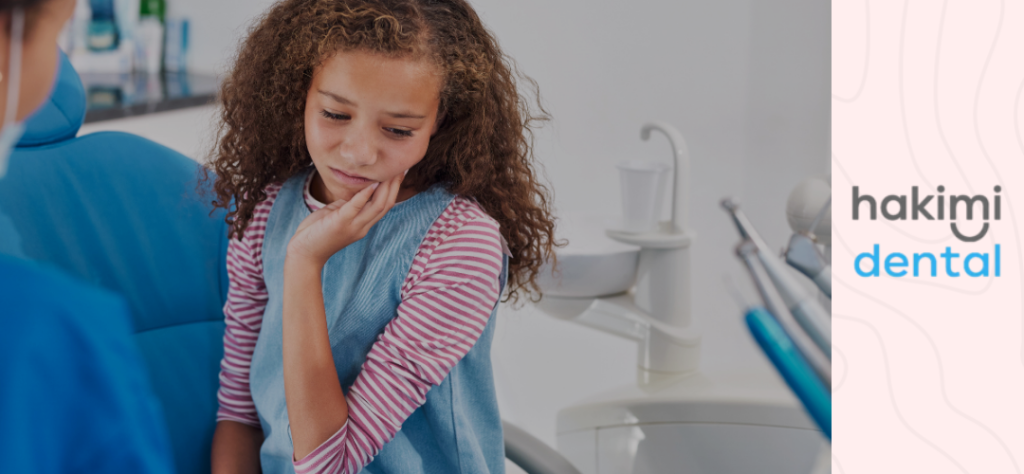
What is children’s tooth decay?
Children’s tooth decay occurs when bacteria in the mouth break down sugars from food and drinks, producing acid. This acid attacks the enamel (outer layer of the tooth), gradually creating holes or cavities.
Although baby teeth are temporary, they are not disposable. Decay in baby teeth can lead to:
- Pain
- Infection
- Difficulty eating
- Problems with speech development
- Early tooth loss
- Misalignment of permanent teeth
Children’s tooth decay should always be taken seriously.
Why children’s tooth decay is still common
Several factors contribute to children’s tooth decay in the UK:
- Frequent sugary snacks
- Sugary drinks, including fruit juice
- Inconsistent brushing
- Lack of routine dental check-ups
- Limited fluoride exposure
Even well-meaning parents may not realise how easily decay develops.
Baby teeth have thinner enamel than adult teeth. This means decay can spread more quickly, sometimes without obvious early symptoms.
Early signs of children’s tooth decay
Children’s tooth decay does not always cause pain at first. Early warning signs include:
- White chalky patches on teeth
- Brown spots or discolouration
- Sensitivity to cold or sweet foods
- Avoiding chewing on one side
Regular dental check-ups in Oldbury allow dentists to identify these early changes before they become painful.
How decay progresses
If early enamel damage is not managed, acid continues to penetrate deeper layers of the tooth.
Stages typically include:
- Enamel demineralisation
- Cavity formation
- Dentine involvement
- Pulp infection
- Abscess formation
At advanced stages, children’s tooth decay may require more complex treatment and can cause significant discomfort.
The role of sugar in children’s tooth decay
Sugar is the main fuel for decay-causing bacteria. The problem is not only how much sugar is consumed, but how often.
Frequent snacking means teeth are exposed to acid repeatedly throughout the day. Even small amounts of sugary drinks sipped slowly can increase risk.
Parents are often surprised that:
- Dried fruit is sticky and high in sugar
- Fruit juices contain natural sugars that still feed bacteria
- Flavoured milk can contribute to decay
Reducing frequency is just as important as reducing quantity.
The importance of brushing technique
Children should brush twice daily with fluoride toothpaste appropriate for their age.
However, brushing must be:
- Supervised until at least age 7
- Thorough along the gumline
- Gentle but effective
Poor brushing technique allows plaque to remain, increasing risk of children’s tooth decay.
During visits to our dental hygienist in Oldbury, we demonstrate age-appropriate brushing methods and provide tailored advice.
Bottle feeding and decay
One common contributor to children’s tooth decay is prolonged bottle feeding, especially with milk or sweetened drinks at bedtime.
When children sleep, saliva flow decreases. Sugar remains in contact with teeth for longer, accelerating enamel damage.
Transitioning away from bedtime bottles can significantly reduce risk.
When children’s tooth decay becomes an emergency
Children may not always express pain clearly. Signs that urgent assessment is needed include:
- Facial swelling
- Refusal to eat
- Crying at night
- Swelling of the gum
- Fever
An untreated dental infection can spread quickly. Our emergency dentist service in Oldbury provides rapid assessment, with emergency appointments from £25.
Prompt care prevents complications and reduces distress.
Treatment options for children’s tooth decay
Treatment depends on severity.
1. Fluoride application
In early stages, fluoride varnish can strengthen enamel and slow progression.
2. Fillings
If a cavity has formed but the nerve is unaffected, a filling restores the tooth and prevents further damage.
3. Pulp therapy
If decay reaches the pulp, specialised treatment may be required to preserve the tooth.
4. Extraction
In severe cases where infection is extensive, removal may be necessary.
Although baby teeth will fall out naturally, premature extraction can affect alignment of permanent teeth.
The link between baby teeth and adult teeth
Many parents assume baby teeth do not matter because they will eventually be replaced.
However, baby teeth:
- Guide permanent teeth into position
- Maintain space
- Support chewing and speech
- Influence confidence
Children’s tooth decay that leads to early loss may increase the need for orthodontic treatment later.
Preventing children’s tooth decay
Prevention is always preferable to treatment.
Key strategies include:
- Twice-daily brushing with fluoride toothpaste
- Limiting sugary snacks to mealtimes
- Drinking water between meals
- Regular dental check-ups
- Professional cleaning where needed
Routine examinations through our general dentistry services allow monitoring of growth and early intervention.
How often should children visit the dentist?
Most children benefit from check-ups every six months. Higher-risk children may require more frequent reviews.
Regular visits allow us to:
- Monitor eruption patterns
- Identify early enamel changes
- Apply fluoride
- Provide dietary advice
Dental check-ups from £35 make preventive care accessible and affordable.
Anxiety and children’s dental visits
Dental fear often begins in childhood, particularly if a first visit is due to pain.
We encourage early visits before problems develop. Familiarity reduces anxiety and builds trust.
Our approach is calm, gentle and age-appropriate.
Why early prevention saves money and discomfort
Untreated children’s tooth decay can lead to:
- Multiple appointments
- More invasive procedures
- General anaesthetic referrals in severe cases
- Emotional distress
Early preventive care reduces both clinical complexity and financial burden.
Why choose Hakimi Dental Clinic
- Affordable check-ups from £35
- Emergency appointments from £25
- Family-friendly environment
- Focus on prevention
- Clear communication with parents
At Hakimi Dental Clinic, our aim is to protect children’s oral health long-term, not simply treat symptoms.
Final thoughts
Children’s tooth decay is common but largely preventable. Early assessment, consistent home care and professional monitoring make a significant difference.
At Hakimi Dental Clinic in Oldbury, we prioritise prevention, early diagnosis and gentle care. With affordable check-ups and accessible emergency appointments, families can access support when it matters most.
Protecting children’s oral health today sets the foundation for healthier adult smiles tomorrow.
Disclaimer
This article provides general information only and does not replace professional dental advice. If your child develops swelling, fever or severe pain, seek urgent dental assessment or contact NHS 111.
FAQs about children's tooth decay
Decay can begin as soon as teeth erupt, often around six months of age.
Yes. They guide permanent teeth and support speech and eating.
Supervised brushing twice daily and limiting sugary snacks are key steps.
If swelling, fever or severe pain develops, urgent assessment is necessary.
Yes. Infection in baby teeth can impact developing adult teeth.