
Biting inside of cheek: causes, healing, and when to get help
Biting the inside of your cheek can be surprisingly painful. For some people it happens once and heals quickly. For others, biting inside of cheek or biting cheek inside becomes a repeated problem that affects eating, speaking and overall comfort.
At Hakimi Dental Clinic, we regularly see patients who attend because a sore inside the cheek will not heal, keeps reopening, or has become infected. In many cases, cheek biting is linked to the way teeth meet, underlying dental problems, or habits that can be addressed with the right care.
This guide explains why cheek biting happens, what you can do at home, when you should see a dentist, and how professional treatment can stop the problem from coming back.
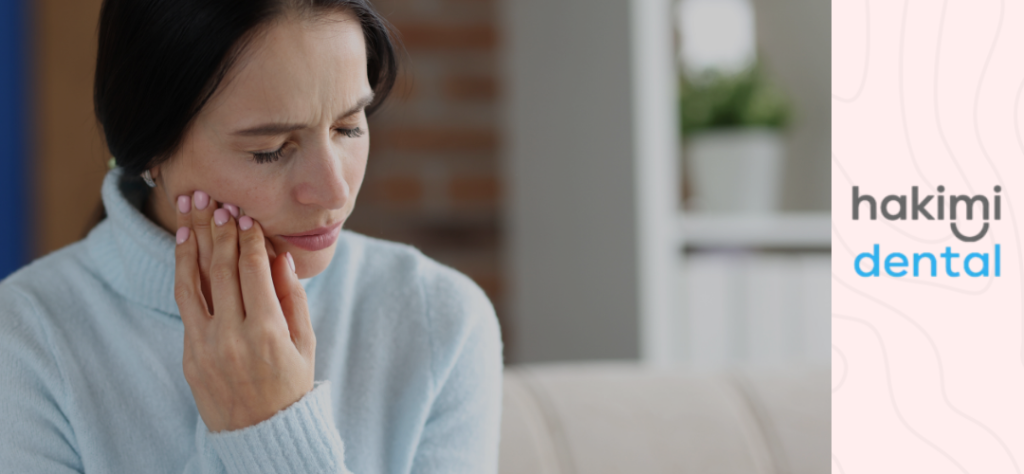
Why biting inside of the cheek happens
The inside of the cheek (the buccal mucosa) is soft and delicate. It sits very close to the teeth, especially the molars, which means even small changes in bite or tooth position can cause repeated trauma.
Common reasons for biting cheek inside include:
- crooked or crowded teeth
- sharp tooth edges or broken fillings
- dental restorations that are slightly high
- stress-related clenching or grinding
- chewing quickly or talking while eating
- accidental bites during sports or sleep
Understanding the cause is key. If the cause is not addressed, the cheek often gets bitten again just as it starts to heal.
Accidental cheek biting vs repeated cheek biting
It’s important to distinguish between a one-off accident and a recurring issue.
Occasional accidental bite
- usually heals within 7–10 days
- discomfort reduces each day
- does not reopen once healed
Repeated cheek biting
- sore keeps reopening
- white or thickened tissue forms
- pain increases rather than improves
- risk of infection is higher
Repeated biting inside of cheek should always be checked by a dentist, especially if it lasts more than two weeks.
How crooked teeth can cause cheek biting
Crooked or crowded teeth are a very common cause of cheek trauma. When teeth are not aligned properly, they may sit closer to the cheek than normal. This increases the chance of catching the cheek during chewing.
In these cases, cheek biting is not just bad luck — it’s mechanical.
At Hakimi Dental Clinic, we often see this during routine dental check-ups, where we can identify whether tooth position or bite is contributing to the problem.
For patients with crowding or misalignment, discreet orthodontic options such as Invisalign can significantly reduce cheek biting by moving teeth into safer positions.
Sharp edges, fillings and dental work
Another common reason for biting cheek inside is a sharp or uneven surface on a tooth or filling.
This can happen when:
- a tooth chips or cracks
- a filling wears or breaks
- dental work sits slightly high
Even a very small sharp edge can repeatedly injure the cheek. This is usually easy to fix with a simple adjustment, often completed in one appointment.
If cheek biting is painful or worsening, we recommend an assessment with an emergency dentist to prevent further trauma and reduce pain quickly.
Stress, clenching and cheek biting
Stress can play a bigger role than many people realise. Clenching or grinding the teeth (often without noticing) increases muscle tension and changes the way teeth meet.
This can cause:
- cheek tissue being pulled into the bite
- increased accidental biting during sleep
- slower healing of mouth sores
If stress or clenching is contributing, your dentist may discuss bite protection or behavioural strategies as part of the solution.
Why cheek biting can become a cycle
Once the cheek is injured, it often swells slightly. This swelling makes it more likely to be bitten again, restarting the cycle.
Over time, the tissue may become:
- thickened
- white or rough in texture
- more sensitive
This is why repeated biting inside of cheek should not be ignored. Early intervention can prevent long-term discomfort.
How to heal a bitten cheek at home
For mild cheek bites, home care can help healing.
What helps
- rinse with warm salt water 2–3 times daily
- avoid spicy, acidic or sharp foods
- chew on the opposite side
- keep the area clean
What to avoid
- touching or picking the sore
- using alcohol-based mouthwashes
- chewing gum
If pain is significant, over-the-counter pain relief may help, but this does not address the cause.
When cheek biting becomes an emergency
You should seek urgent dental advice if:
- pain is severe or worsening
- swelling spreads to the face or jaw
- there is pus or a bad taste
- the sore does not heal after 10–14 days
At Hakimi Dental Clinic, we offer emergency consultations from £35, including weekends. This makes it easy to get problems checked early before they become more serious.
You can find more information about urgent care here: emergency dentist appointments
Professional treatment for cheek biting
Treatment depends on the underlying cause, which is why a proper examination is essential.
Dental adjustments
- smoothing sharp edges
- adjusting fillings or crowns
- correcting bite interference
Orthodontic assessment
If crooked teeth are involved, orthodontic options such as Invisalign can help reduce repeated trauma by repositioning teeth safely.
Hygiene support
Regular visits to a dental hygienist help keep the mouth healthy and reduce inflammation that may worsen cheek irritation.
The role of regular dental check-ups
Routine dental check-ups are one of the best ways to prevent cheek biting from becoming a long-term issue.
During a dental check-up, your dentist can:
- assess tooth alignment
- check for sharp edges
- evaluate bite forces
- identify early signs of trauma
Small changes caught early often prevent weeks or months of discomfort.
Cheek biting in children and adults
Children
- often bite cheeks during tooth eruption
- may bite accidentally while learning to chew
- habits usually improve with time
Adults
- more likely linked to bite problems or dental work
- stress and clenching play a bigger role
- repeated injury needs assessment
In both cases, persistent biting cheek inside should be checked professionally.
Why patients choose Hakimi Dental Clinic
Patients often attend us because they want:
- fast appointments, including weekends
- clear explanations
- affordable private care
We offer emergency, check-up and hygiene appointments from £35, which is among the most competitive pricing for private dentistry in Birmingham and the surrounding areas.
Our flexible availability means patients do not have to wait in pain for help.
Learn more about our practice here: Hakimi Dental Clinic
Why our advice can be trusted
- We manage dental emergencies, bite issues and oral trauma every week.
- Our clinicians are trained to identify mechanical, behavioural and dental causes of cheek biting.
- We base treatment on clinical examination, not guesswork or assumptions.
- We give honest advice, clear pricing and no unnecessary treatment.
Final thoughts
Biting inside of cheek or biting cheek inside may seem minor at first, but when it becomes repeated or painful, it usually means something needs attention. The good news is that most causes are straightforward to identify and treat.
At Hakimi Dental Clinic, we focus on early assessment, practical solutions and making care accessible. With weekend availability, competitive pricing from £35, and a patient-first approach, help is never far away.
If cheek biting is affecting your comfort, eating or confidence, a simple check-up can make a real difference.
FAQs about biting inside of cheek
Occasional bites are common, but repeated biting should be checked by a dentist.
Most heal within 7–10 days. Longer than two weeks needs assessment.
Yes. Misaligned teeth are a common cause and can often be treated.
If pain is severe, swelling increases, or the sore won’t heal, yes.
In many cases, yes. Aligning teeth can reduce repeated trauma.